
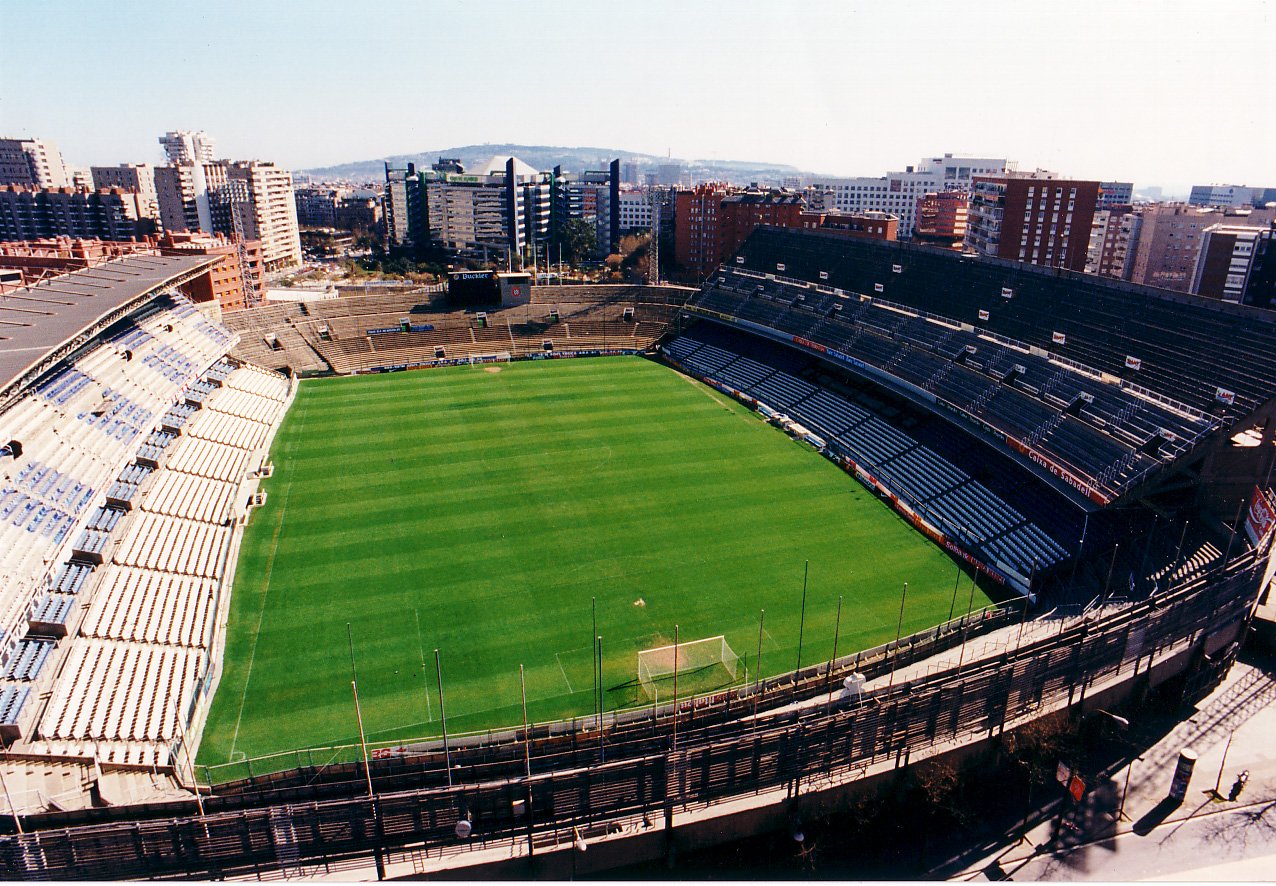
The Sarrià Tragedy: Italy 3–2 Brazil in 1982
Zico, Sócrates, Falcão and the most gifted Brazilian side since 1970 only needed a draw. Across the pitch, a striker who had been written off came back to life in 45 minutes and rewrote World Cup history.
5 July 1982, Estadi de Sarrià, Barcelona. Telê Santana's Brazil walked out needing only a draw to reach the semi-final of the Spain World Cup. Across the pitch stood a suspicious Italy, who had scraped through the first round with three draws and had convinced no one.
This Brazil was considered the most gifted side since the 1970 generation: Zico, Sócrates, Falcão, Toninho Cerezo, Éder and Júnior played football that enchanted the world. Four wins from four, 13 goals scored. They were overwhelming favourites.
One quirky detail: officially, this wasn't even a quarter-final. The 1982 World Cup used a second group stage of three teams, with only the top side going through to the semis. In practice, Brazil vs Italy was a quarter-final in disguise — a knockout tie in which a draw was enough for Brazil.
The magic square
Telê Santana built his side around what Brazilian football came to call the "quarteto mágico" — the magic square. Cerezo and Falcão sat deeper, screening the defence and starting moves; Zico and Sócrates played ahead of them, free to drift and decide games on their own. Zico arrived in Spain regarded as the best player on the planet and the heir to Pelé at home; Sócrates, a qualified physician on the pitch, ran the team's rhythm with the same calm he was known for off it. That balance of guile and control was the reason so many still call this Brazil side the greatest team never to win the World Cup.
Paolo Rossi: the unlikely executioner
If anyone had been asked before kick-off who would decide the game, Paolo Rossi would have been near the bottom of the list. The striker was returning from a two-year suspension over Italy's betting scandal ("Totonero") and had failed to score in the previous four matches. The Italian press demanded he be dropped. Coach Enzo Bearzot stuck with him.
The ban traced back to 1980, when Rossi was playing for Perugia: he was initially suspended for three years, later cut to two on appeal, and always denied any wrongdoing. He served it out, returned in time to help Juventus close out the 1981–82 Serie A title with only three appearances to his name, and went to Spain short of match sharpness and short of goals — which is exactly why Bearzot's decision to keep starting him looked so exposed before Sarrià turned it into the opposite.
Five minutes in, Rossi rose alone in the box and headed home Cabrini's cross: 1–0.
Great goals and clenched fists
Brazil responded quickly. At 12 minutes Sócrates played a one-two with Zico, drove into the box and hammered the ball into Dino Zoff's near corner: 1–1. A draw was enough — the plan was simply to manage the game.
But at 25 minutes, Cerezo hit a lazy square pass across his own defence, Rossi intercepted and finished firmly: 2–1 Italy. The mistake Brazil could not afford.
In the second half, at 68 minutes, Falcão took the ball on the edge of the area, opened his body and let fly: 2–2. The picture of him sprinting away with clenched fists and veins bulging in his neck became one of the most iconic images in World Cup history. Once again, a draw put Brazil through.
The knockout blow
It lasted six minutes. At 74, a corner was half-cleared, the ball fell to Rossi inside the box: 3–2 and a hat-trick for the man who had been "dead" to football.
Brazil did have their chance: in the closing minutes, Oscar met a header cleanly and 40-year-old Zoff saved it almost on the line. Full time. The team that had enchanted the world was out.
"In Brazil, the match earned the name of a tragedy. For many, 5 July 1982 was the day beautiful football died."
The legacy
Italy rolled on: they beat Poland in the semi-final and West Germany in the final, lifting a third World Cup. Rossi finished as top scorer (6 goals) and player of the tournament — every single one of his goals came in the last three matches.
The final, on 11 July 1982 at Madrid's Santiago Bernabéu in front of around 90,000 fans, finished Italy 3–1 West Germany — Rossi opened the scoring, with Marco Tardelli and Alessandro Altobelli adding the others. Zoff lifted the trophy at 40 years, 4 months and 13 days old, still the oldest captain ever to win a World Cup, only weeks after making the save on Oscar's header at Sarrià that many in Italy still call the moment the title was actually won.
Brazil 1982, meanwhile, went down in history as the greatest team never to win a World Cup. They lost the trophy, but earned something rare: to be remembered fondly even by those who watched them lose. Sarrià became shorthand for the idea that in football the favourite doesn't always win — but beautiful football is never forgotten.
Picks for you
Advertising. Affiliate links — we may earn a commission on your purchases, at no extra cost to you. It does not influence our editorial coverage.
Keep reading
 World Cup
Total Football and the fastest goal in final history: Netherlands 1–2 West Germany (1974)
16 passes, a penalty, and a Dutch goal before West Germany had even touched the ball. And still Cruyff went home without a title. The most ironic final in World Cup history.
 World Cup
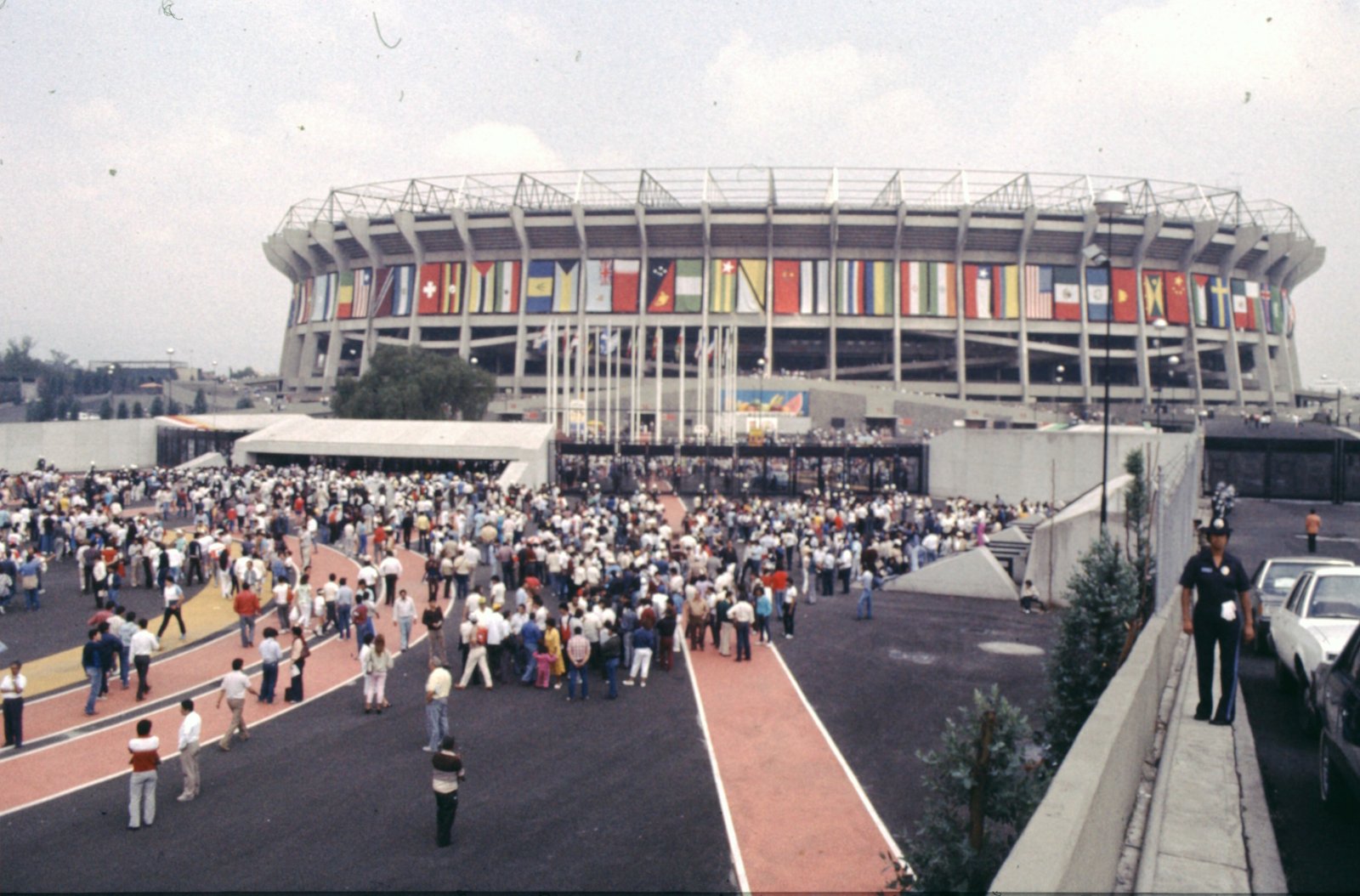
The Hand of God and the Goal of the Century: Argentina 2–1 England, 1986
In four minutes at the Estadio Azteca, Maradona scored the most controversial and the most beautiful goal in World Cup history. The same match, the same man, two faces of football.
 World Cup
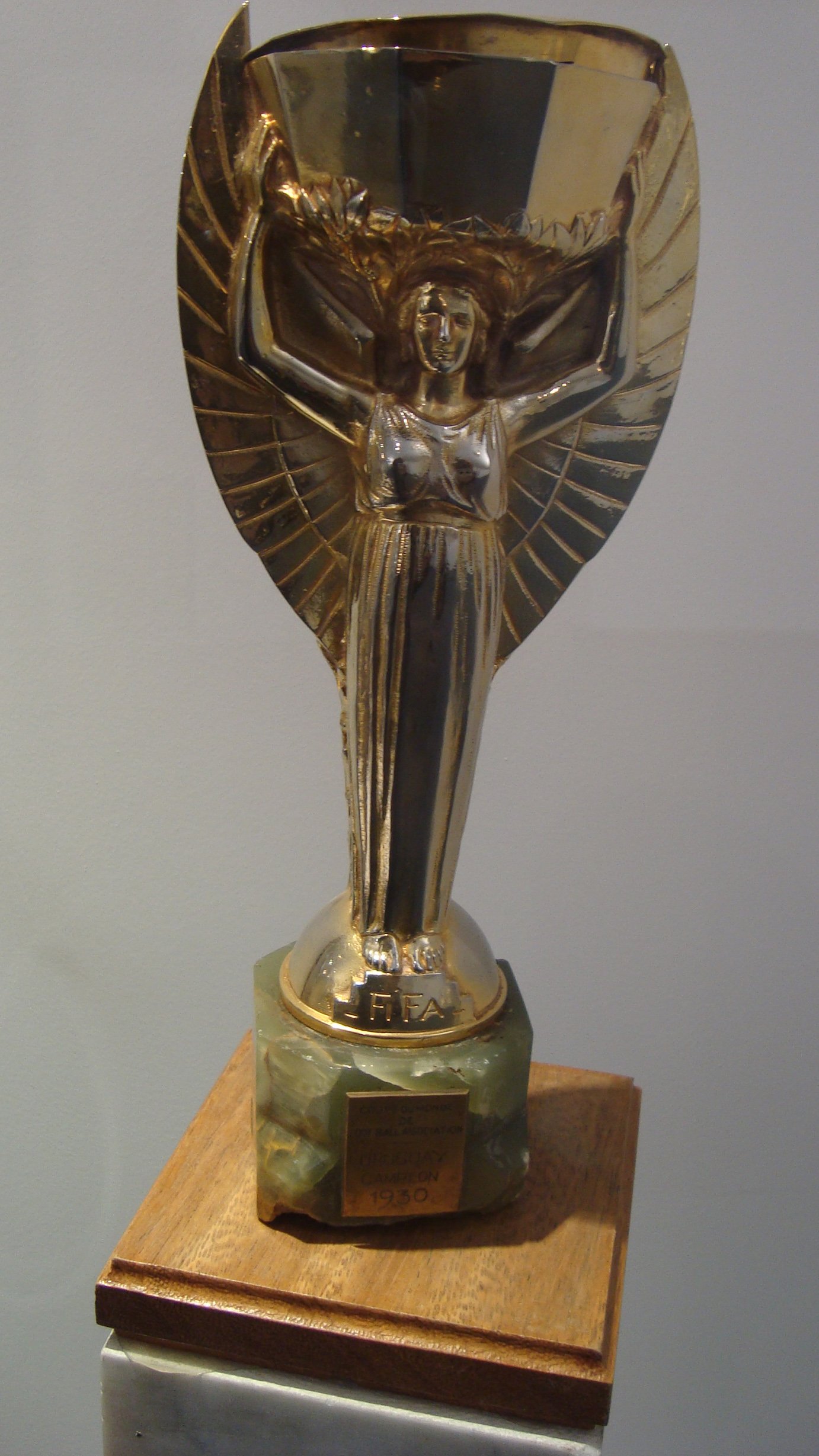
The near-perfect final: Brazil 4–1 Italy in 1970
Pelé, Gérson, Jairzinho and a captain's goal from Carlos Alberto that is still voted the most beautiful in World Cup history. The final that sealed a third title and the Jules Rimet Trophy forever.