
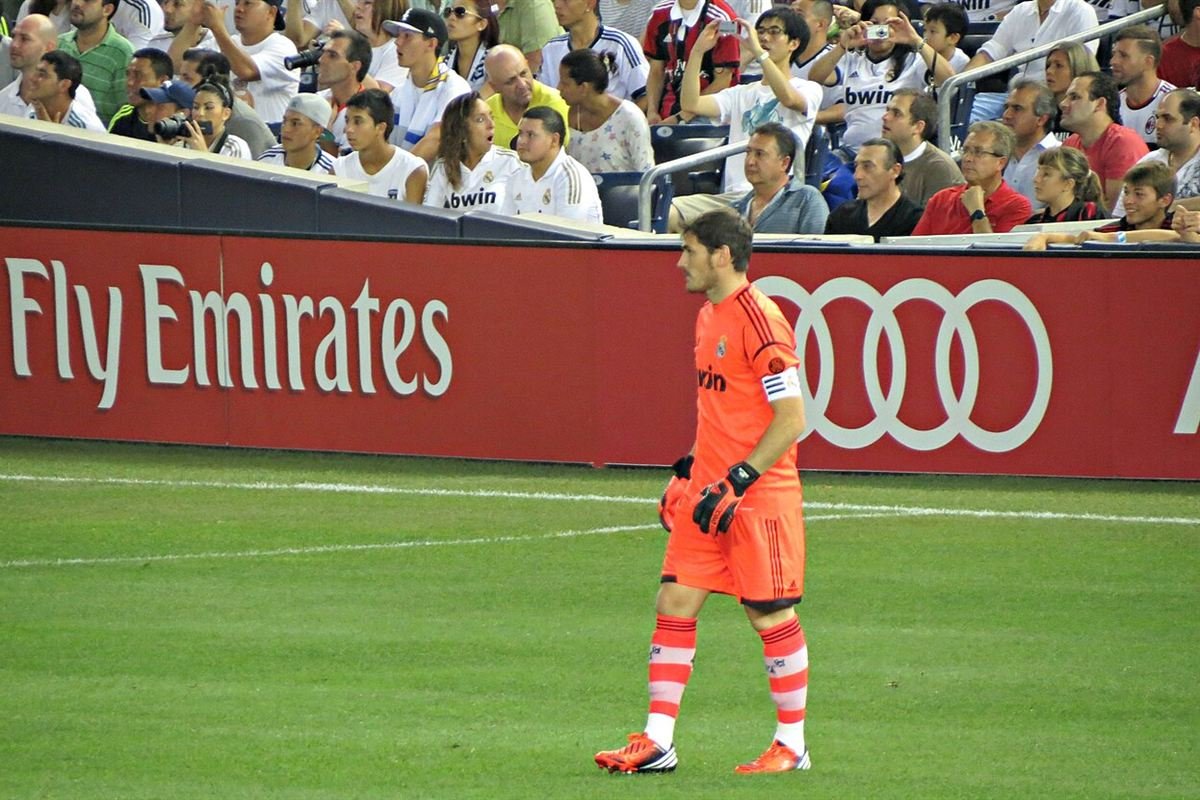
Iker Casillas: the goalkeeper who captained Spain to the World Cup
Three Champions League titles with Real Madrid, two European Championships, the 2010 World Cup and a career that ended after a heart attack at Porto: the story of Iker Casillas.
Iker Casillas was the goalkeeper of the generation that changed what Spain could win. He played in the Real Madrid goal at 18, was a European champion at 19 and, a decade later, lifted the World Cup as captain.
His career has two parts and a break between them. The first is Real Madrid, where he spent sixteen years in the first team. The second is Porto, where he played his last games and where the heart attack that ended his career happened on a training pitch.
The numbers
| Team | Period | League games | All-competition games |
|---|---|---|---|
| Real Madrid | 1999–2015 | 510 | 725 |
| Porto | 2015–2020 | 116 | 156 |
| Spain (caps) | 2000–2016 | — | 167 |
- 99/00: 47 games
- 00/01: 47 games
- 01/02: 40 games
- 02/03: 55 games
- 03/04: 50 games
- 04/05: 47 games
- 05/06: 48 games
- 06/07: 45 games
- 07/08: 46 games
- 08/09: 47 games
- 09/10: 46 games
- 10/11: 54 games
- 11/12: 53 games
- 12/13: 29 games
- 13/14: 24 games
- 14/15: 47 games
- 15/16: 40 games
- 16/17: 43 games
- 17/18: 31 games
- 18/19: 42 games
For a goalkeeper the curve is not about goals but about presence. He was close to an ever-present for a decade. The sharp dip comes in 2012–13 and 2013–14, the two seasons in which he lost the first-team place at Real Madrid.
A teenager in the Real Madrid goal
Casillas made his La Liga debut on 12 September 1999 in a 2–2 draw at Athletic Bilbao, three days before he made his Champions League debut against Olympiakos. He was 18 years and 177 days old, the youngest goalkeeper to play in the competition at the time.
Eight months later he was in the final. Real Madrid beat Valencia 3–0 in May 2000, four days after his 19th birthday, and he became the youngest goalkeeper to play in and win a European Cup final.
The next two years were not a straight line. After poor performances in 2001–02 he lost his place to César Sánchez. Then Sánchez was injured in the final minutes of the 2002 Champions League final against Bayer Leverkusen, Casillas came on, and made several key saves in a 2–1 win. It was the second of his three European Cups.
Titles at Real Madrid
| Team | Honour | Years |
|---|---|---|
| Real Madrid | Champions League (3 titles) | 1999–2000, 2001–02, 2013–14 |
| Real Madrid | La Liga (5 titles) | 2000–01, 2002–03, 2006–07, 2007–08, 2011–12 |
| Real Madrid | Copa del Rey | 2010–11, 2013–14 |
| Real Madrid | Supercopa de España | 2001, 2003, 2008, 2012 |
| Real Madrid | UEFA Super Cup | 2002, 2014 |
| Real Madrid | Intercontinental Cup | 2002 |
| Real Madrid | FIFA Club World Cup | 2014 |
| Porto | Primeira Liga | 2017–18 |
| Porto | Supertaça Cândido de Oliveira | 2018 |
| Spain | European Championship | 2008, 2012 |
| Spain | World Cup | 2010 |
| Individual | IFFHS World's Best Goalkeeper | 2008, 2009, 2010, 2011, 2012 |
| Individual | Zamora Trophy (La Liga) | 2007–08 |
| Individual | World Cup Golden Glove | 2010 |
| Individual | UEFA Team of the Year | 2007, 2008, 2009, 2010, 2011, 2012 |
His best season at the back came in 2007–08, when he won the Zamora Trophy after conceding 32 goals in 36 league matches. In February 2009, aged 27, he passed Paco Buyo's record of 454 games to become Real Madrid's most-capped goalkeeper.
Spain: the captain who lifted three trophies
Spain's golden run began at Euro 2008, where Raúl was left out of the squad and Casillas was given the captain's armband. In the quarter-final against Italy the game ended 0–0 and he saved two penalties in the shoot-out, from Antonio Di Natale and Daniele De Rossi, as Spain won 4–2. Spain then beat Germany 1–0 in the final on 29 June, and Casillas became the first goalkeeper-captain to lift the European Championship.
The 2010 World Cup
Spain started the World Cup with a 1–0 defeat to Switzerland, a goal that followed an error by Casillas. They did not concede again in the knockout rounds. He kept five clean sheets, including all four knockout games, conceded only two goals in the whole tournament, saved a penalty against Paraguay in the quarter-final and won the Golden Glove.
In the final against the Netherlands, still 0–0, he made two crucial stops against Arjen Robben after the winger had beaten every defender. Spain won 1–0 after extra time, and he became only the third goalkeeper to captain a World Cup-winning team, after Gianpiero Combi and Dino Zoff.
Euro 2012
Two years later he conceded one goal in the whole of Euro 2012, scored by Di Natale in Spain's opening 1–1 draw with Italy. He then went 509 minutes without conceding, beating the 494 held by Zoff. Spain met Italy again in the final on 1 July 2012 and won 4–0, completing a run of three straight major trophies.
The two seasons on the bench
The hardest part of his career came at the club. On 22 December 2012 José Mourinho dropped him for a league game against Málaga and started Antonio Adán. It was the start of a series of disagreements. After an injury Real Madrid signed Diego López in January 2013, and López kept the place even after Casillas returned.
Under Carlo Ancelotti in 2013–14 he was second choice in La Liga but stayed first choice in the Champions League and the Copa del Rey. In the cup he went 962 minutes without conceding, a record.
Lisbon, 24 May 2014
The Champions League final against Atlético Madrid was the night that put the two seasons in context. Diego Godín's opener came from an error by Casillas. Sergio Ramos equalised in injury time, and Real Madrid went on to win 4–1 after extra time. Casillas, who captained the side, collected his third Champions League title and the club's tenth European Cup.
Porto and the heart attack
He started 2014–15 as first choice again and won the UEFA Super Cup and the Club World Cup. He played in the semi-final defeat to Juventus in May 2015, and in July he signed for Porto on a two-year deal. In August he kept a clean sheet on his Primeira Liga debut, a 3–0 win over Vitória de Guimarães.
His first trophy at the club came in May 2018, when Porto won the league for the first time since 2013. In December 2018 he became the first player to reach the Champions League knockout stage 19 times, in his 20th consecutive campaign, and only the second after Cristiano Ronaldo to win 100 matches in the competition.
On 1 May 2019 he suffered an acute myocardial infarction during training. He was discharged from hospital on 6 May and said he was unsure about his future. He did not play competitively again.
"one of the biggest legends of our club and of world football"
— Real Madrid's statement on Casillas's retirement, 4 August 2020, as reported by Football España
He announced his retirement on 4 August 2020, aged 39, after a career of 21 years. His five-year spell at Porto had ended with the expiry of his contract in July. He was reported to have returned to Real Madrid that July as an adviser to the club's president.
Records
| Record | Detail |
|---|---|
| Youngest goalkeeper to play in and win a European Cup final | Real Madrid 3–0 Valencia, May 2000, four days after turning 19 |
| Minutes without conceding at a European Championship | 509 at Euro 2012, passing Dino Zoff's 494 |
| Minutes without conceding in the Copa del Rey | 962, in 2013–14 |
| Champions League knockout stages | First player to reach 19, in December 2018 |
| Champions League wins | 100, only the second player after Cristiano Ronaldo |
| Euro 2008 | First goalkeeper-captain to lift the trophy |
| World Cup 2010 | Third goalkeeper to captain the winners, after Combi and Zoff |
Why he is remembered
He won nearly everything there was to win, with a club that expects the Champions League every year and with a national team that had never won the World Cup before his generation.
He was also a captain who stayed composed when things went wrong, from the error against Switzerland to the two seasons on the bench. The record shows the saves. The career shows what he did after the ones that went wrong.
Picks for you
Advertising. Affiliate links — we may earn a commission on your purchases, at no extra cost to you. It does not influence our editorial coverage.
Keep reading
 Legends
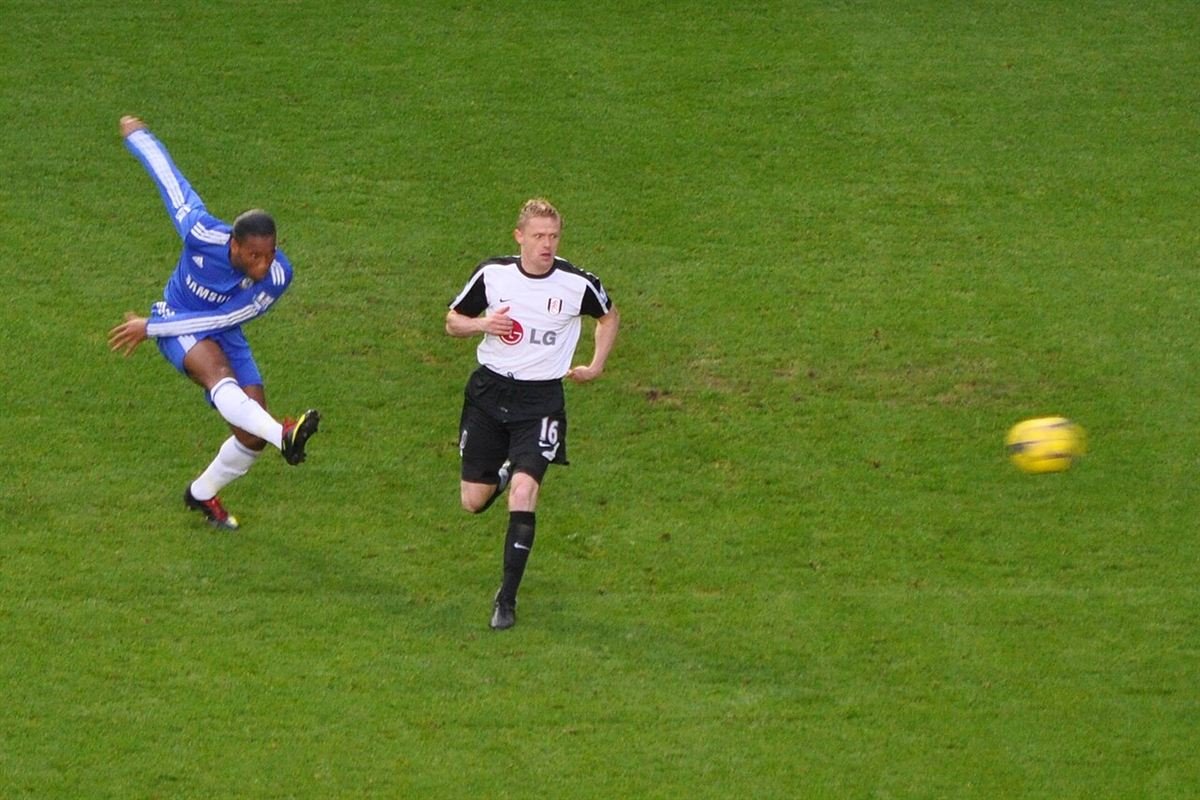
Didier Drogba: the striker who won Chelsea the Champions League
A late starter who became Chelsea's big-game forward: four Premier League titles, the 2012 Champions League final in Munich and Ivory Coast's all-time top scorer.
 Legends
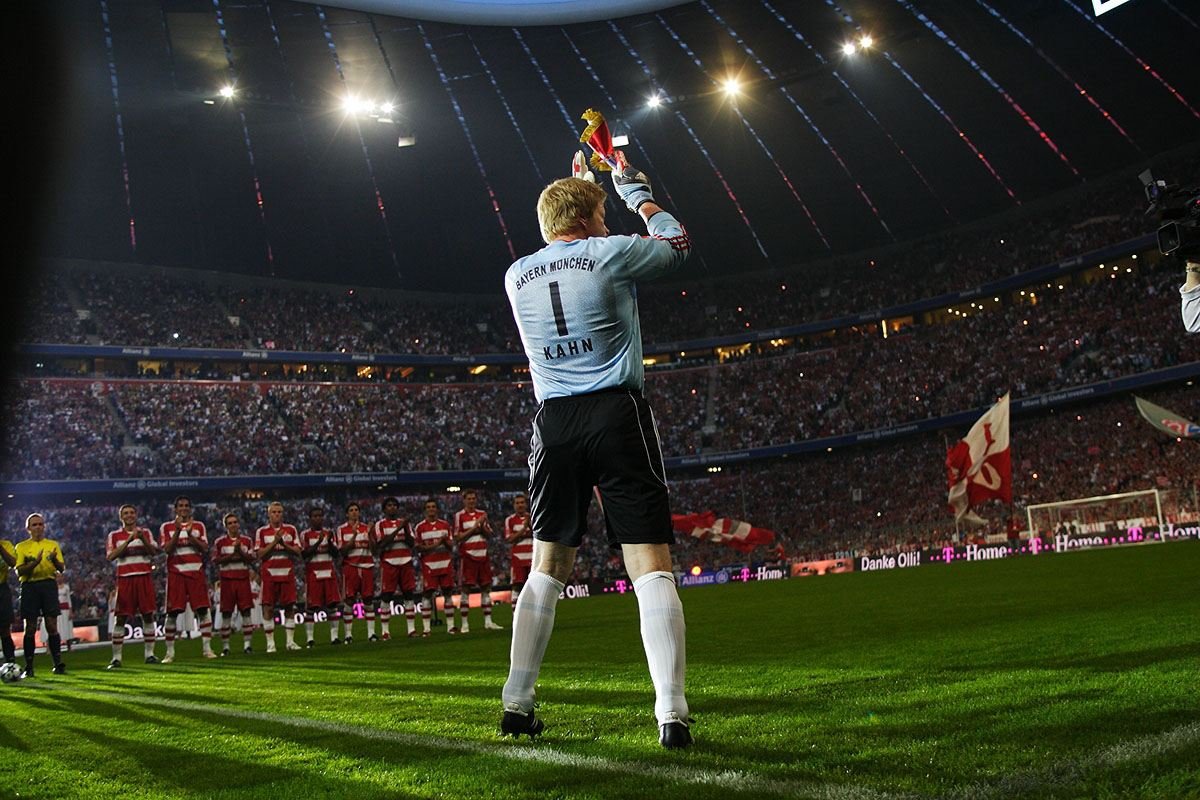
Oliver Kahn: the goalkeeper who won a Champions League on penalties
Eight Bundesliga titles, the 2001 Champions League won with three saved penalties and the 2002 World Cup Golden Ball in a lost final: the career of Oliver Kahn.
 Legends
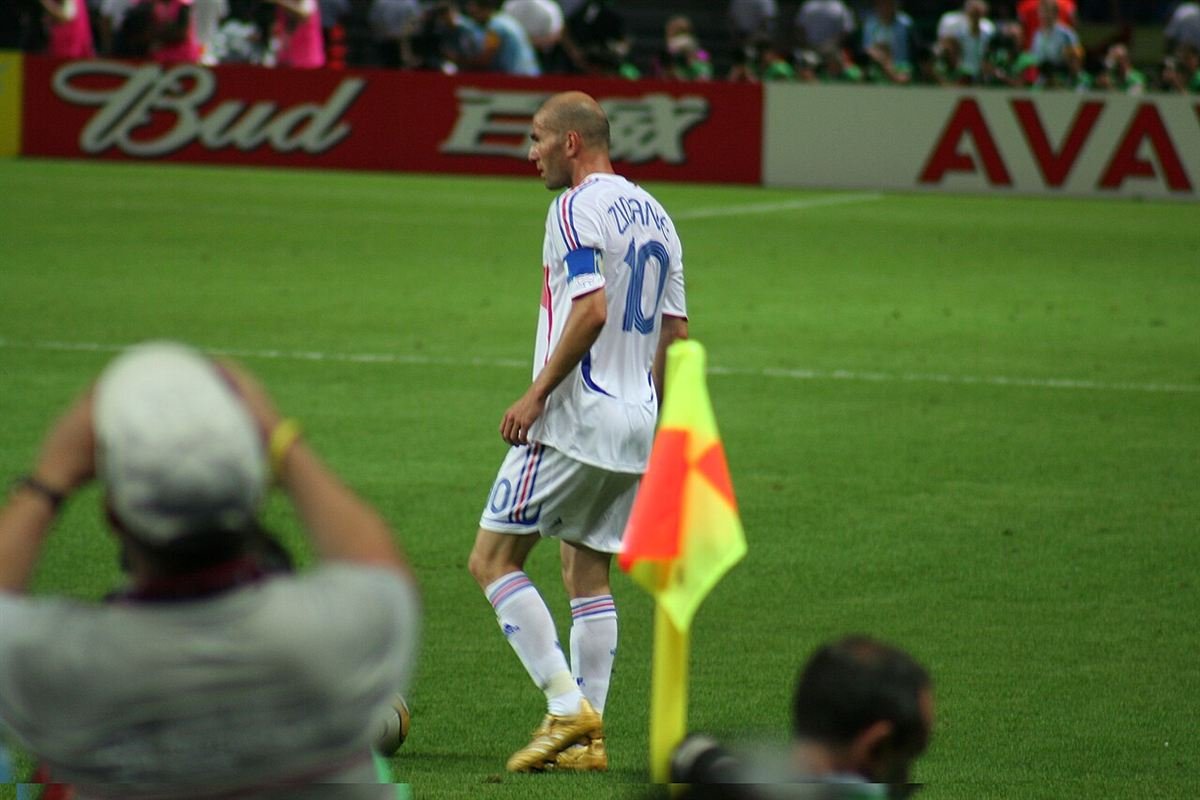
Zinedine Zidane: the maestro from Cannes to Berlin
From Cannes and Bordeaux to Juventus and Real Madrid, via the 1998 World Cup, a Champions League volley and the Berlin headbutt: the career of the playmaker the game still admires.