
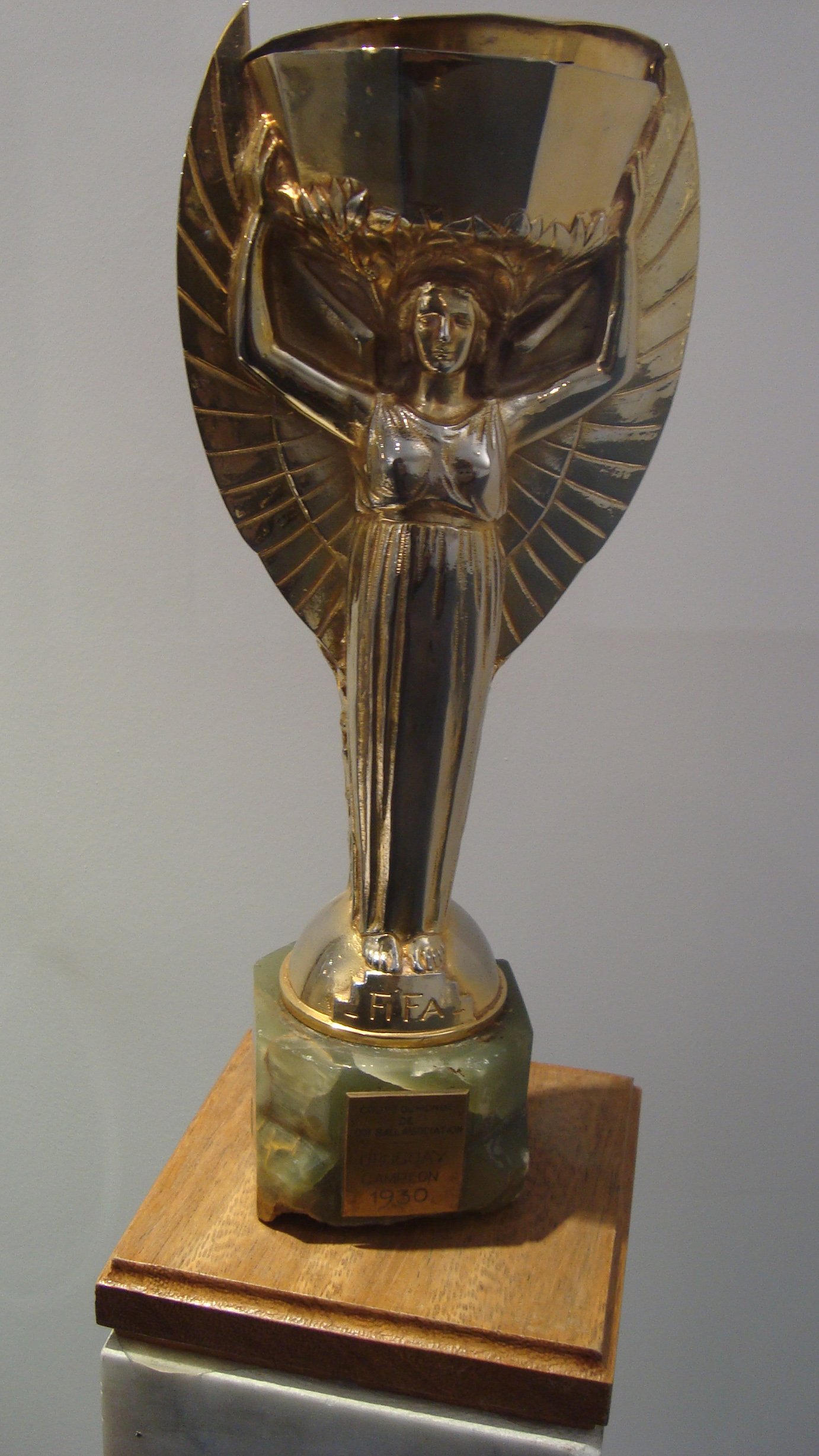
The near-perfect final: Brazil 4–1 Italy in 1970
Pelé, Gérson, Jairzinho and a captain's goal from Carlos Alberto that is still voted the most beautiful in World Cup history. The final that sealed a third title and the Jules Rimet Trophy forever.
Four days after the Game of the Century in that same Azteca, Italy walked back out onto the pitch. This time, for the World Cup final against Brazil.
On the other side stood the most talented team football had ever seen assembled on one pitch: Pelé, Rivelino, Gérson, Tostão, Jairzinho and Carlos Alberto. A golden generation that arrived at the 1970 World Cup with a mission to win a third title — and the talent to do it in a way no one had seen before.
The final score was 4–1. But the score does not tell the whole story.
First half: Pelé and the Italian reply
Pelé opened the scoring after just 18 minutes — a perfect, powerful header into the top corner, the kind of goal the best player in the world scores at his very best.
But Italy, even bruised from their previous match, still had quality. Boninsegna levelled at 37 minutes after a Brazilian mistake. Half-time arrived at 1–1. In the dressing room, no panic. This Brazil was not the kind of side that lost its head.
Second half: a football lesson
From the second half onwards, Brazil turned the final into a demonstration.
Gérson turned the game around at the 21st minute of the second period with a long-range strike into the far corner. Two minutes later, Jairzinho collected a Pelé pass and made it 3–1 — becoming the only player in history to score in every match of a single World Cup.
The most beautiful goal in history
At 86 minutes, with the game already decided at 3–1, Brazil put together a move that summed up everything the team stood for.
The ball travelled through eight Brazilians in sequence, with touch and speed, pulling the entire Italian defence out of shape. Pelé received the ball on the edge of the box, held it, looked to his side and — instead of shooting — patiently waited for the right moment to pass.
Captain Carlos Alberto, who had begun the move all the way at the back, was sprinting flat out down the right and had never stopped since the counter began. Pelé slid the pass into his path at the exact right instant. Carlos Alberto didn't even need to adjust his stride — he struck the ball first time with maximum power, into the corner, before any Italian could react.
"4–1. FIFA later voted that goal one of the most beautiful in the entire history of the World Cup. Many still call it the most beautiful of all."
The end and the trophy forever
With the win, Brazil claimed a third world title — meeting the rule that the Jules Rimet Trophy would belong permanently to the first country to win three World Cups. The trophy went to Brazil for keeps.
The 1970 side is still routinely named the greatest national football team ever assembled. That afternoon at the Azteca was more than a final. It was a statement that football could be art.
Picks for you
Advertising. Affiliate links — we may earn a commission on your purchases, at no extra cost to you. It does not influence our editorial coverage.
Keep reading
 World Cup
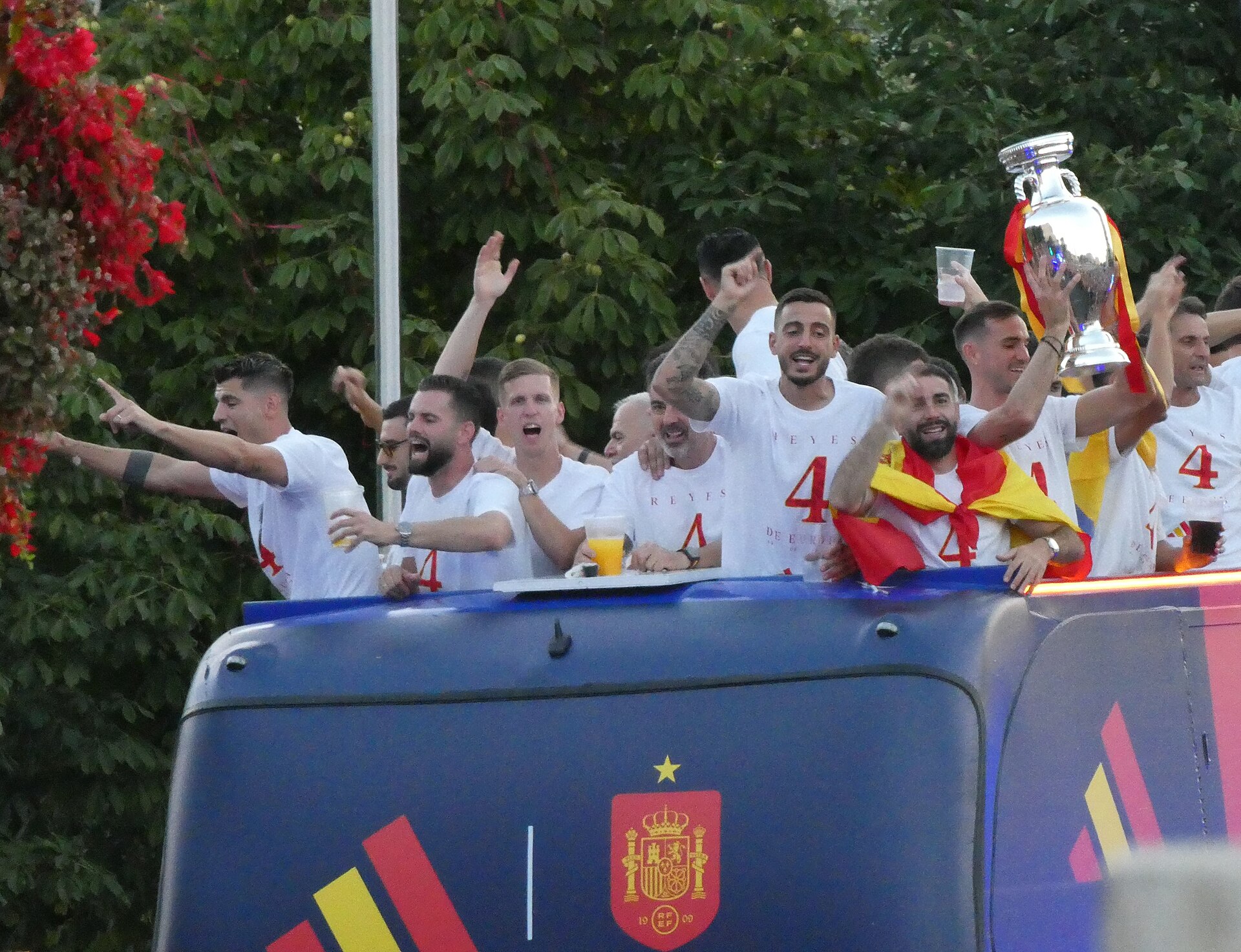
Spain 1-0 Argentina: a second star — and still no back-to-back champion since 1962
Ferran Torres decided it in extra time, Argentina finished the final without a single shot on target in 120 minutes, Enzo Fernández was sent off and Messi lost the second final of his career — in the last World Cup of his life, without the scoring record that was his until Friday.
 World Cup
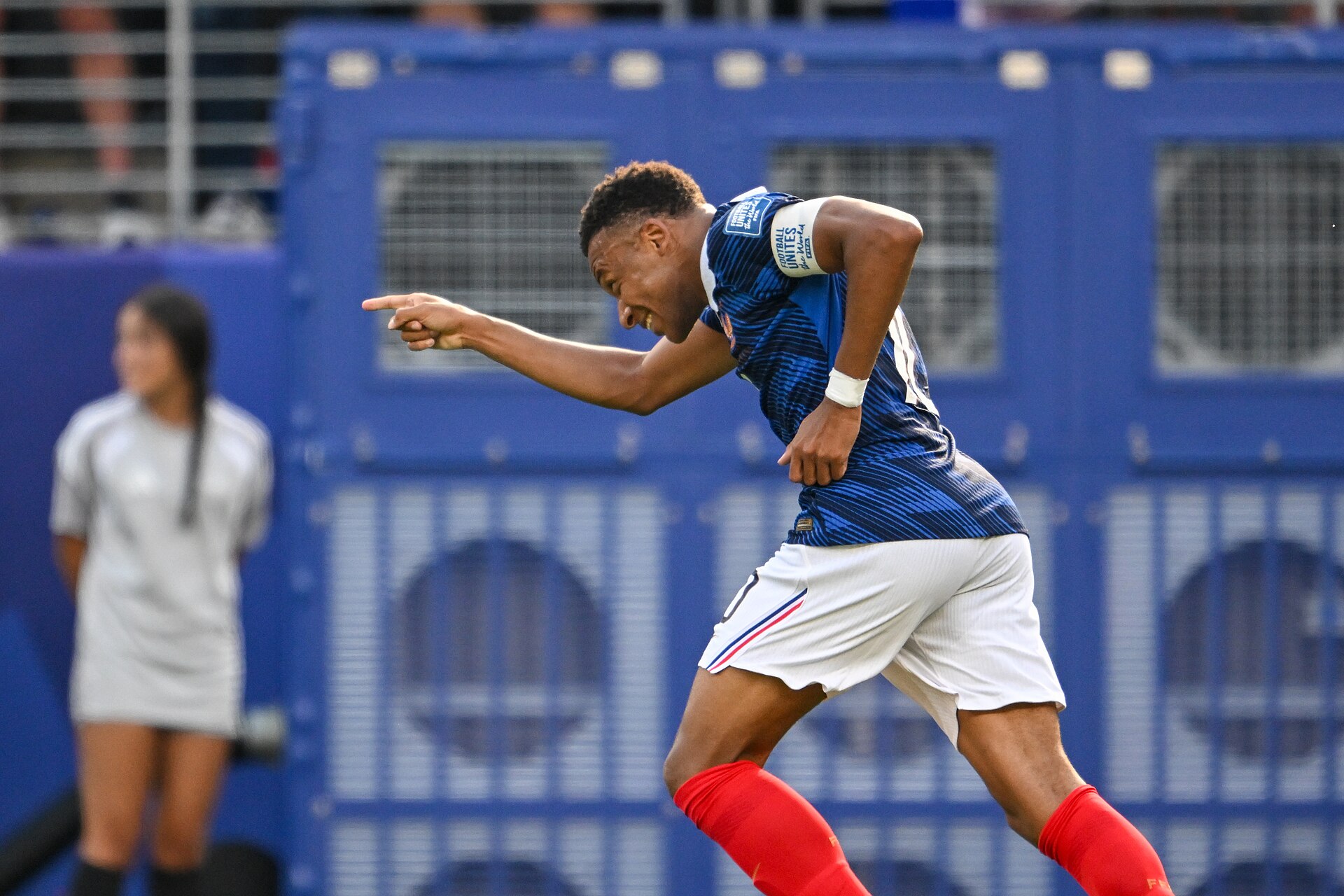
10 goals, an Mbappé record and English bronze: France 4-6 England
A Saka hat-trick, 4-0 at half-time, a frantic French comeback and two stoppage-time goals. Amid the chaos, Mbappé passed Messi to become the all-time top scorer in World Cup history — and England claimed their best finish since the 1966 title.
 World Cup
It hurt to watch: Argentina turn it around against England at 90+2 and are one game from back-to-back titles
Gordon opened the scoring, Enzo leveled with a screamer at 85 and Lautaro headed the winner in stoppage time — from a Messi assist, at 39 years old. Argentina are in the final against Spain. Stay strong, Brazilian hearts.