
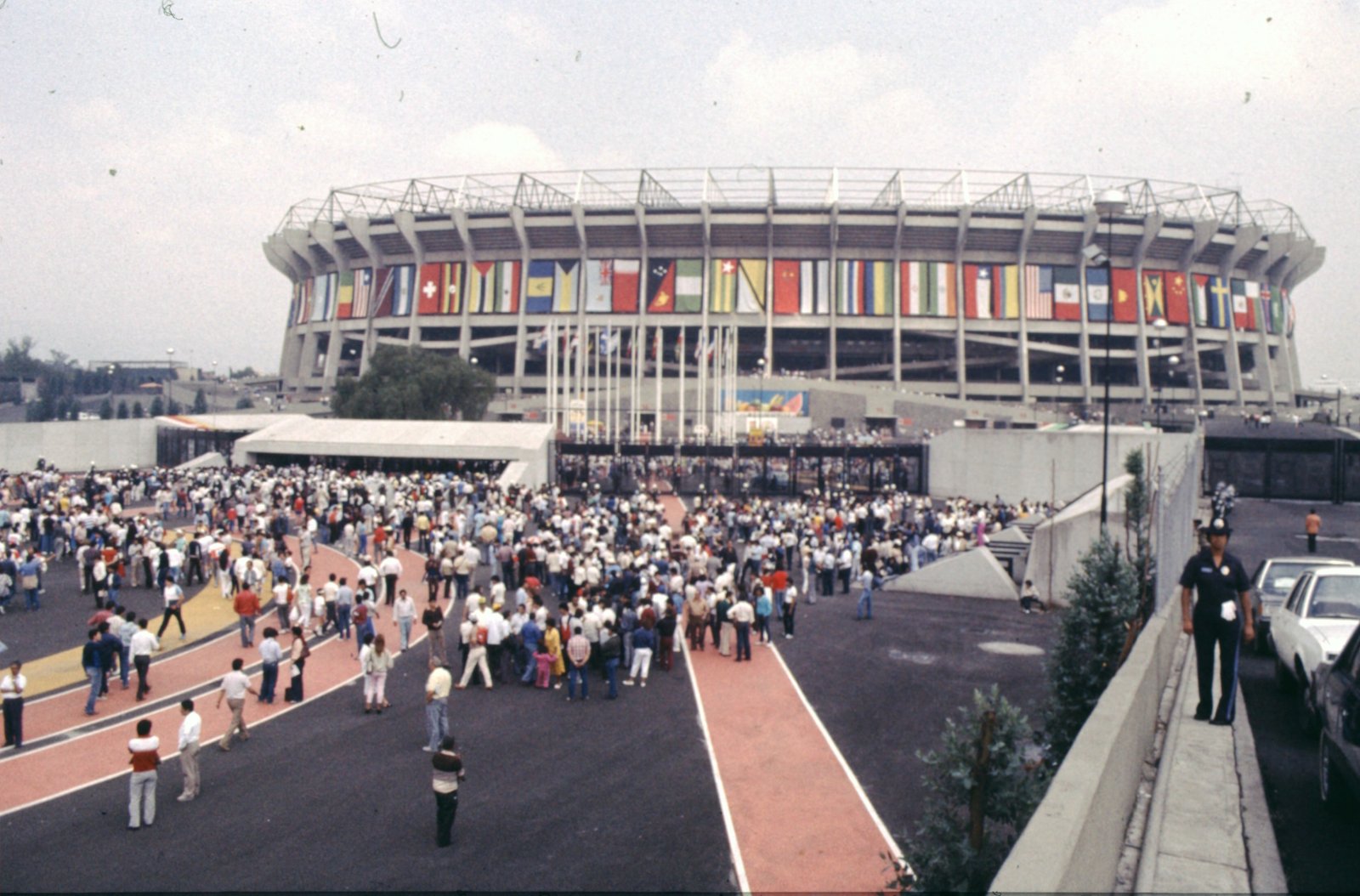
The Hand of God and the Goal of the Century: Argentina 2–1 England, 1986
In four minutes at the Estadio Azteca, Maradona scored the most controversial and the most beautiful goal in World Cup history. The same match, the same man, two faces of football.
22 June 1986, Estadio Azteca, Mexico City. Over 114,000 people packed the stadium under the midday sun for the World Cup quarter-final. On one side, Gary Lineker's England. On the other, Diego Armando Maradona's Argentina — with the best player on the planet at his peak.
The match carried a weight that went far beyond football. Four years earlier Argentina and England had fought the Falklands War, and the wound was still raw on the Argentine side. Players dodged the subject in interviews, but nobody in the Azteca ignored the context: this was not just another game.
The first half ended 0–0, tight and nervous. Nobody could have imagined that the four most famous minutes in World Cup history were about to arrive.
The Hand of God
At 51 minutes, Maradona played a one-two on the edge of the area and the ball deflected off England's Steve Hodge, looping toward goal. Goalkeeper Peter Shilton, 14 centimetres taller, came out to punch it clear. Maradona jumped with him — and flicked the ball into the net with his left fist, hidden alongside his head.
The English swarmed the Tunisian referee Ali Bin Nasser in protest, but neither he nor the linesman had seen the offence. Goal, Argentina: 1–0. After the match, Maradona immortalised the moment with a line that became football folklore: the goal had been scored "a little with the head of Maradona and a little with the hand of God".
The Goal of the Century
Four minutes later, at 55, the same Maradona picked up the ball inside his own half near the touchline. He spun past Beardsley and Reid, accelerated and, in around ten seconds and 60 metres, left Butcher, Fenwick, Butcher again and finally goalkeeper Shilton behind before tapping into an empty net: 2–0.
On Argentine radio, Uruguayan Víctor Hugo Morales delivered the most famous commentary in sport: "Cosmic kite — what planet did you come from?", before thanking God "for football, for Maradona, for these tears". In 2002, a FIFA vote named it the Goal of the Century, the most beautiful ever scored at a World Cup.
England's response
England did not fold. Manager Bobby Robson pushed his side forward and at 81 minutes John Barnes crossed from the left for Gary Lineker to head in: 2–1. The same Lineker, who would finish the tournament as top scorer with six goals, almost equalised minutes later from another Barnes cross — the ball flashed past as he slid in inside the six-yard box.
It didn't come. Full time: Argentina 2, England 1. In 45 minutes, Maradona had condensed everything football can be — the cunning and the genius, the sin and the miracle.
"A little with the head of Maradona and a little with the hand of God."
— Diego Maradona, after the match
The legacy
Argentina rolled on. In the semi-final Maradona scored twice more in a 2–0 win over Belgium — the second another slalom past half a defence. In the final, against West Germany, it was his pass that set up Burruchaga's winner in the 3–2 that gave Argentina their second world title.
No World Cup has been dominated by a single player the way Maradona owned 1986: 5 goals, 5 assists and the Golden Ball. And no match sums up his career — and football itself — better than that afternoon at the Azteca, where the hero and the villain shared the same number 10 shirt for four minutes.
Picks for you
Advertising. Affiliate links — we may earn a commission on your purchases, at no extra cost to you. It does not influence our editorial coverage.
Keep reading
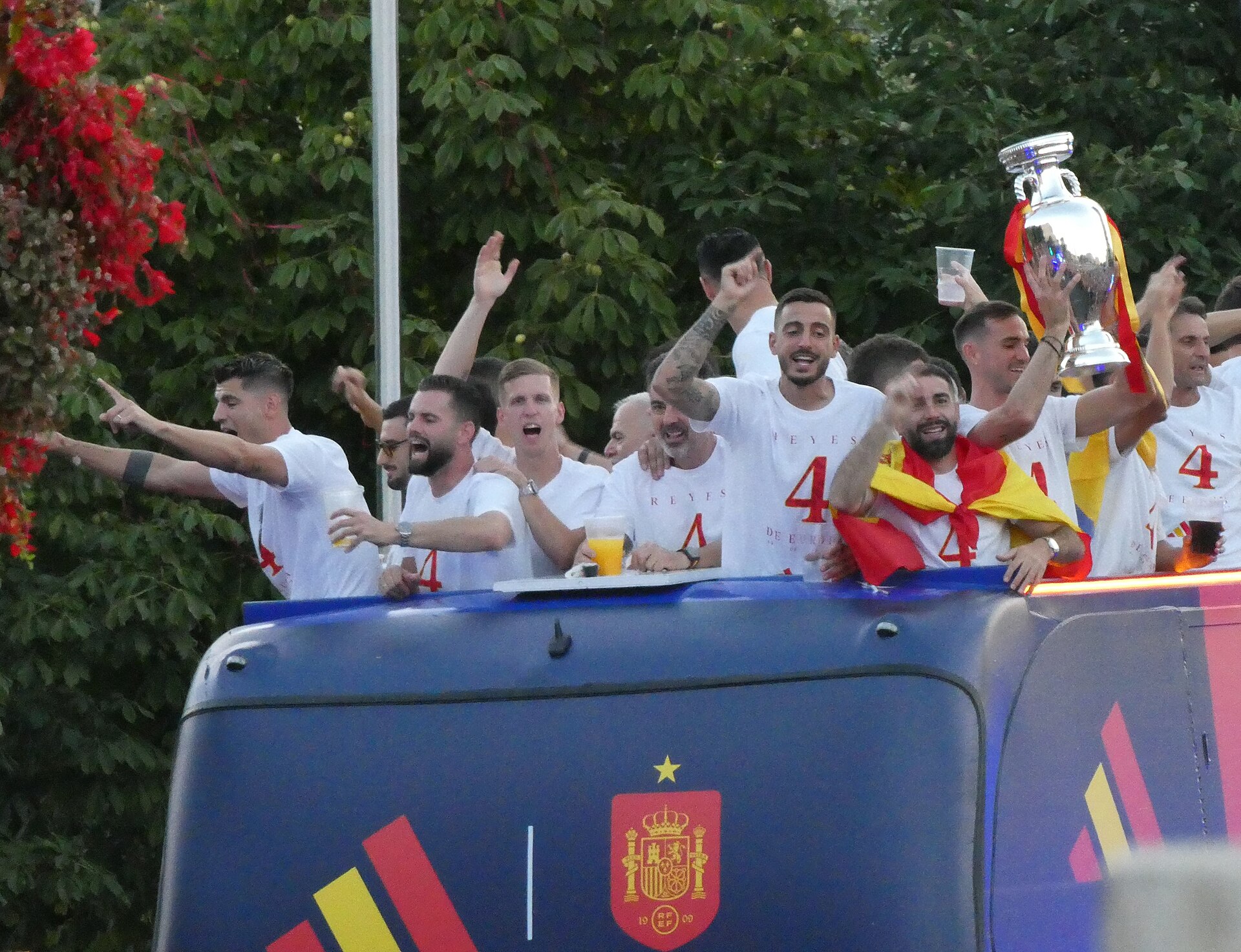 World Cup
Spain 1-0 Argentina: a second star — and still no back-to-back champion since 1962
Ferran Torres decided it in extra time, Argentina finished the final without a single shot on target in 120 minutes, Enzo Fernández was sent off and Messi lost the second final of his career — in the last World Cup of his life, without the scoring record that was his until Friday.
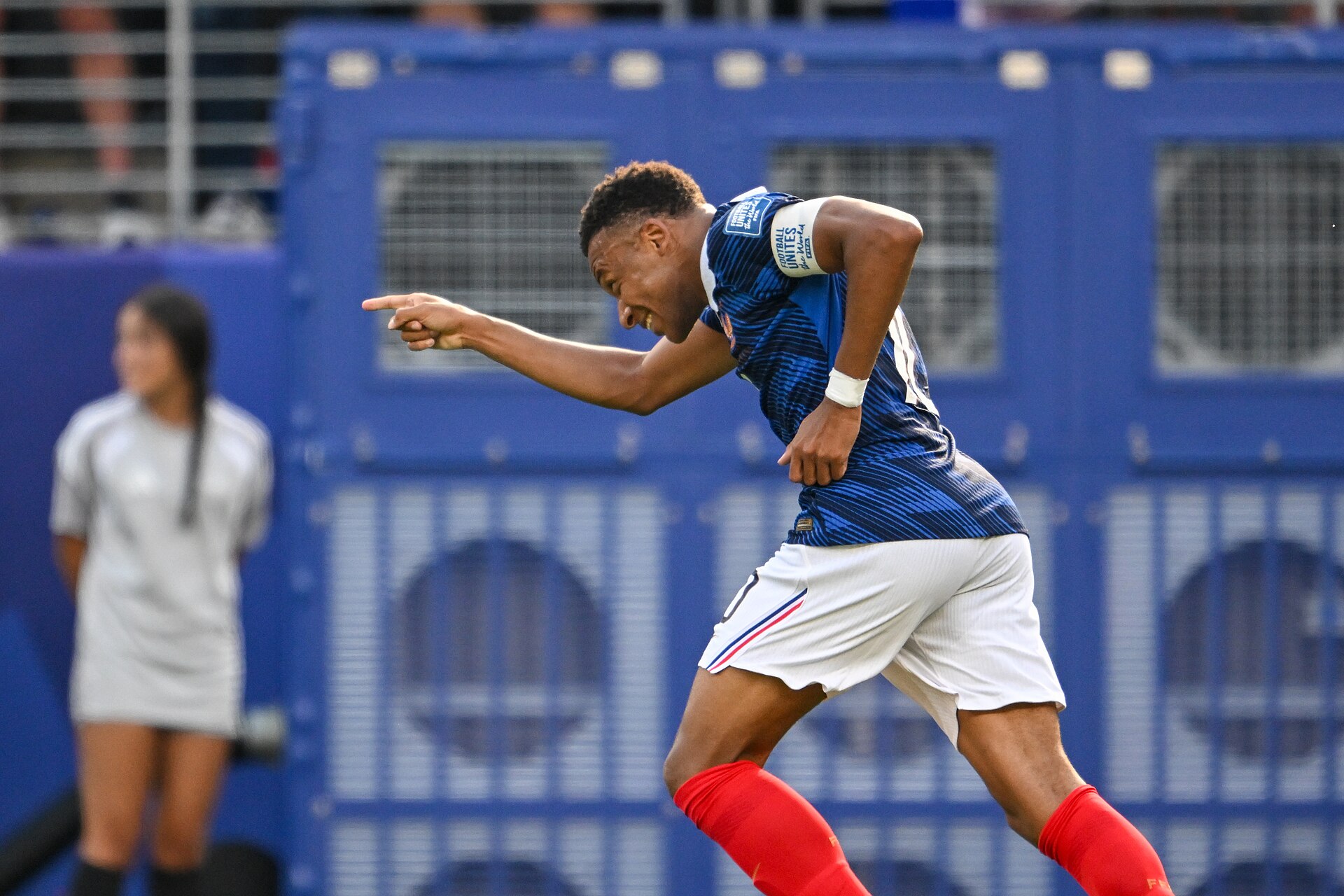 World Cup
10 goals, an Mbappé record and English bronze: France 4-6 England
A Saka hat-trick, 4-0 at half-time, a frantic French comeback and two stoppage-time goals. Amid the chaos, Mbappé passed Messi to become the all-time top scorer in World Cup history — and England claimed their best finish since the 1966 title.
 World Cup
It hurt to watch: Argentina turn it around against England at 90+2 and are one game from back-to-back titles
Gordon opened the scoring, Enzo leveled with a screamer at 85 and Lautaro headed the winner in stoppage time — from a Messi assist, at 39 years old. Argentina are in the final against Spain. Stay strong, Brazilian hearts.